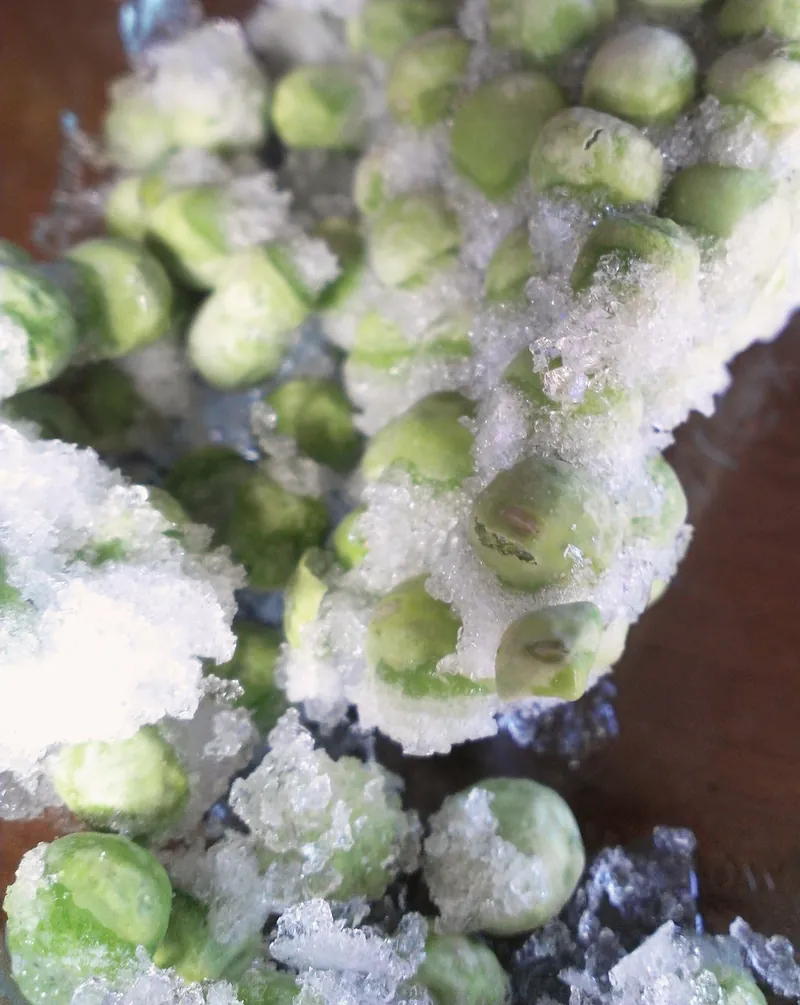
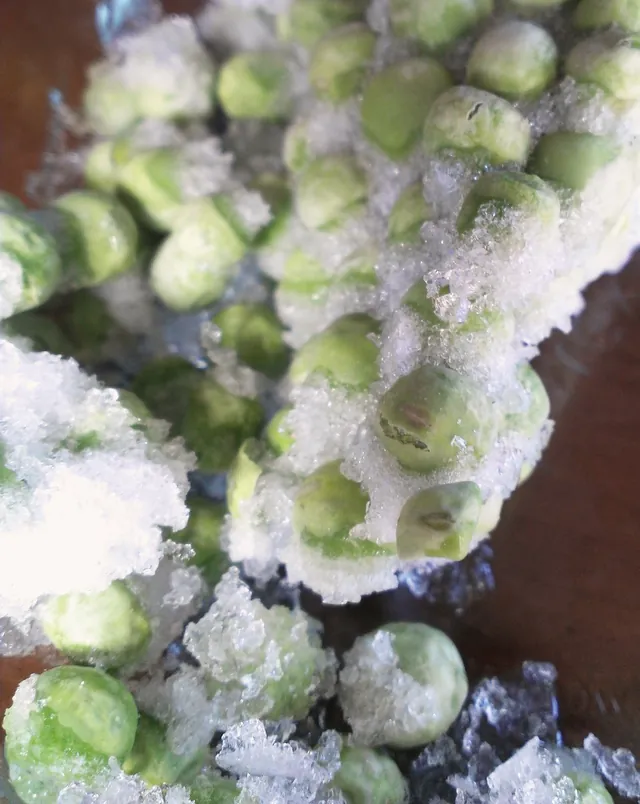
Door and gasket leaks top the list more often than people expect. A freezer door held open a fraction of an inch by an overfilled basket, a bag of peas or a gasket folded under itself lets moist air stream in all day. The result is frost on the food and walls, a compressor that never shuts off, and a cabinet that settles around 10°F to 20°F instead of zero. On bottom-freezer drawers, a derailed slide or a broken track leaves the drawer slightly cocked. These are the simplest faults to fix and the first thing the technician checks, because everything else is wasted effort if the cabinet isn’t sealed.
Next comes the condenser. When the coil is packed with dust or the condenser fan is dead, the refrigerant can’t give up its heat, the evaporator runs warmer, and the freezer drifts upward along with the fresh-food side. Garage units suffer most. A chest freezer has no coil to vacuum, since its condenser tubing is bonded inside the outer skin, but it still needs clearance so those walls can shed heat. Pushed flush against a wall and surrounded by storage boxes, a chest freezer can run continuously and still sit well above zero.
Then defrost failures, which only apply to frost-free freezers. A defrost heater that has burned open, a defrost thermostat or sensor that never closes, or a control that never triggers defrost lets frost build on the evaporator until the coil is a solid block. Early on, the fresh-food section warms first. As the block grows, the freezer follows. A frozen drain produces a related pattern: meltwater refreezes at the bottom of the coil and an ice sheet spreads across the freezer floor. Either way, the ice has to be melted out completely and the failed part replaced, or the problem returns within days.
The evaporator fan is the fourth common cause. In a frost-free freezer it is the only thing moving air across the coil and around the food. If it squeals, ticks against ice or stops, the coil can be frosted and cold while food a foot away warms. Controls come next: a freezer thermistor out of range, a board relay that no longer switches, a mechanical thermostat with worn contacts. And then the garage winter problem. A refrigerator-freezer whose only thermostat sits in the fresh-food section rarely runs on a cold night, so the freezer section warms even though every part works.
Last are compressor start problems and sealed-system faults. A failed start relay leaves the compressor clicking on its overload every few minutes. A compressor that runs but pumps weakly, a slow refrigerant leak or a partial restriction shows up as a freezer that is cool but never cold, often with frost covering only the first few passes of the evaporator. On chest freezers, leaks tend to open in tubing inside the walls or liner, where corrosion or a knife or ice pick used during defrosting can make a pinhole. These faults take the most work to repair and are the main reason a freezer gets replaced.