Beko built its American reputation on dishwashers that run almost silently, thanks to thick insulation, a brushless motor on many models and long, gentle programs. That also shapes the complaints. Owners often think a Beko has stopped when it is simply in a long soak or drying phase, so the first step is to see what the program is really doing. Genuine faults gather around the filter and sump, the drain pump, the inlet valve and a heater that, on most current models, sits in the water path rather than in the open tub. An unrinsed filter lets grease and grit reach the pump, and the machine halts with water in the tub.
Leak protection on a Beko dishwasher relies on a tray beneath the tub and a float switch. Once water lands in that tray, the machine starts its drain pump and abandons the program, signalling the fault with flashing lights or a code depending on the model. That is the safety system doing its job; the cause sits higher up. Typical sources are a door seal that has slipped from its channel, a weeping sump or spray arm seal, an inlet hose fitting, or excess foam from overdosed detergent. The technician dries the tray, runs a fill with the toe panel removed and follows the wet trail upward before replacing anything.
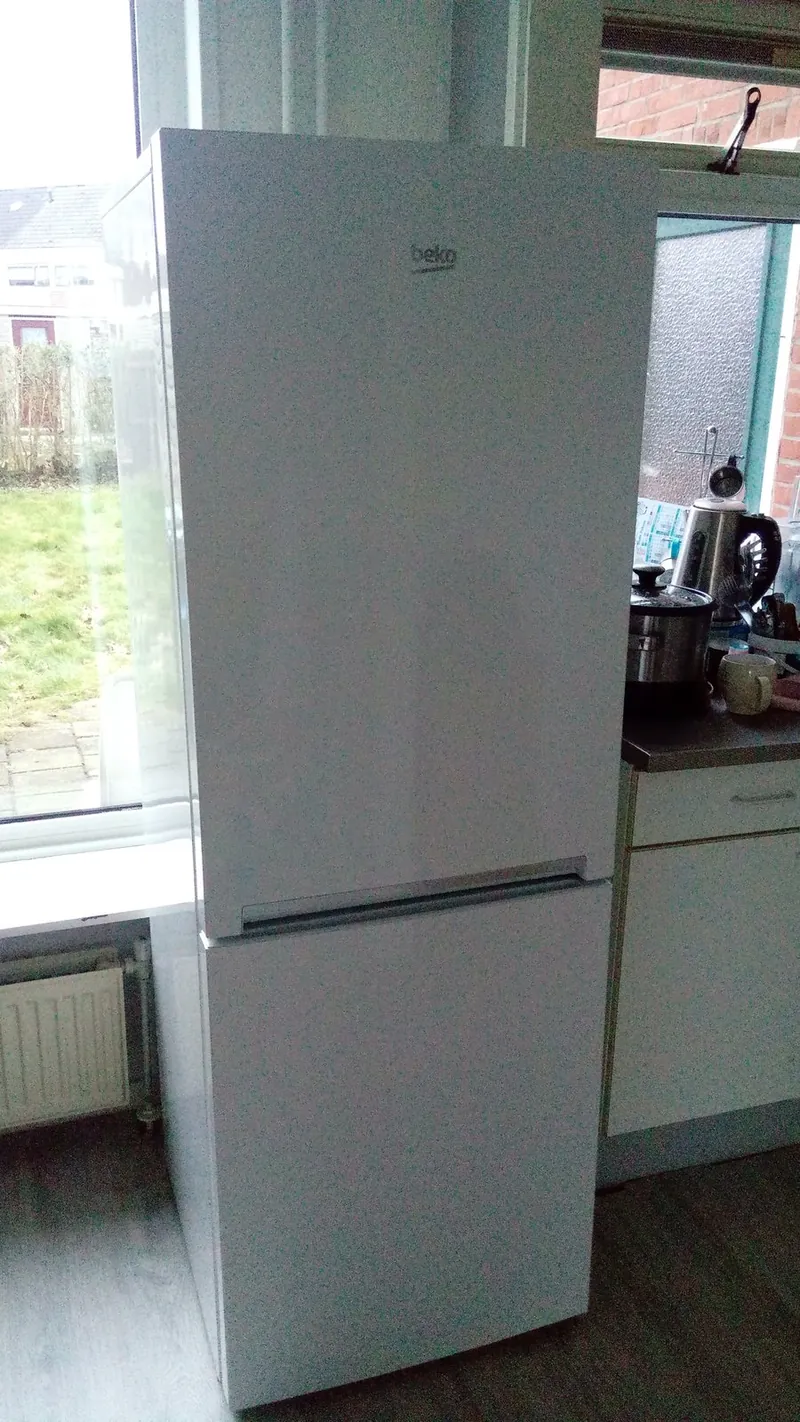
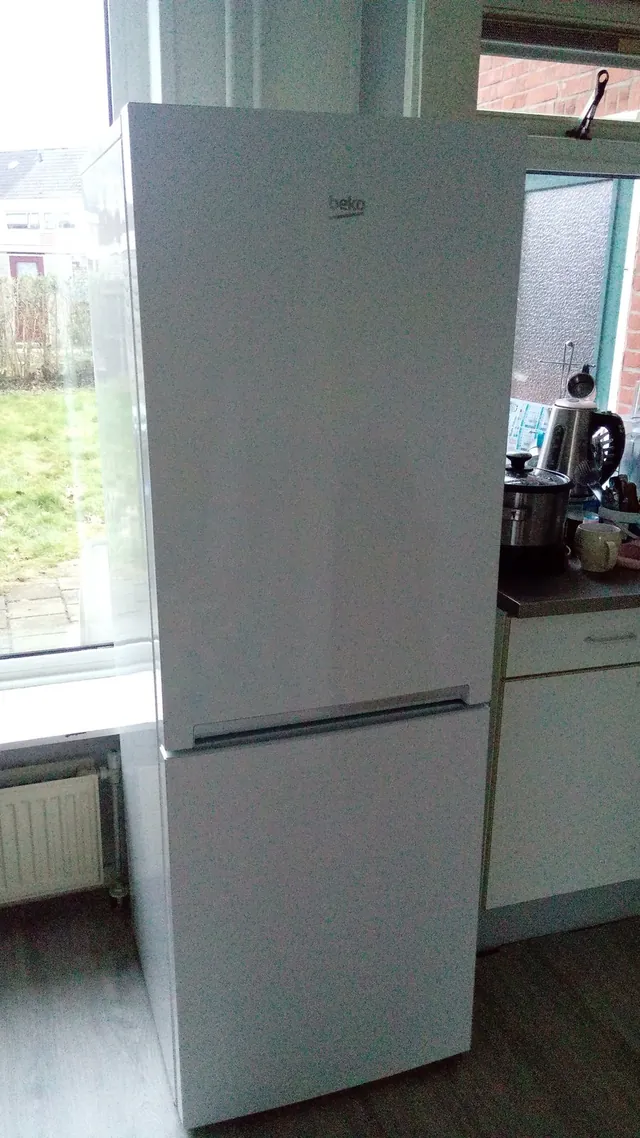
Beko refrigerators sold here are mostly counter-depth bottom-freezer and French-door models. Some cool the fresh-food and freezer sections with separate evaporators and fans, which changes how a fault reads: on those units a warm fresh-food compartment points to its own fan, sensor or defrost circuit, not to air borrowed from the freezer. On single-evaporator models, a frosted coil and a stalled fan remain the usual culprits. Ice makers on French-door units, door gaskets that take a set on counter-depth cabinets, and the electronic control round out the list. A condenser coated in dust shows up quickly in summer as a fridge that never seems to rest.
Beko ranges come in gas, electric and induction versions, both freestanding and slide-in. Gas models use spark igniters on the cooktop and a separate oven igniter, and on models fitted with flame-failure protection a burner that goes out the moment you release the knob points to that safety device rather than to the gas valve. Electric ranges wear out bake and broil elements, oven temperature sensors and, on knob-controlled models, the surface element switches. Induction ranges add power boards, coils and cooling fans. Convection fan motors and oven door hinges also wear in busy family kitchens.
The 24-inch Beko washer is a compact front-loader with an inverter motor and an internal heater, and its weak points are the ones small machines share. A pump filter behind the lower front cover clogs with lint, hair ties and buttons; the door gasket gathers residue in its fold; and a door lock must confirm it is shut before the drum will move. Too much detergent in so small a drum leads to oversudsing, long rinses and an aborted spin. Beko’s matching dryers vary by year and model, so before the visit we ask whether yours vents outdoors or keeps its water in a container; the answer decides which parts come along.